FREE SHIPPING ON ORDERS $75+ IN THE U.S.

FIRST WEEK OF PREGNANCY
FIRST TRIMESTER

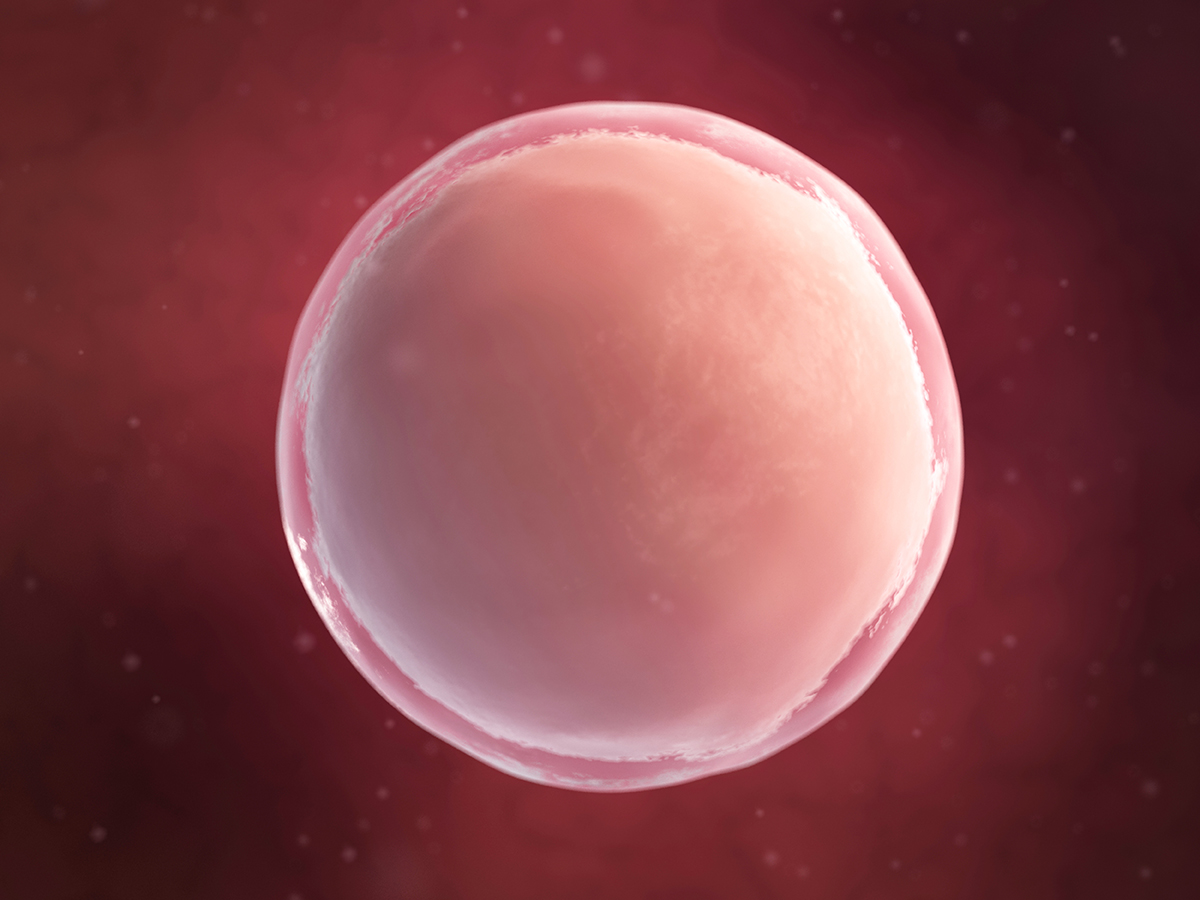
Your baby is still an egg!
LENGTH
. 1 mm (100 microns)
WEIGHT
0.004 mg
COUNTDOWN
40 weeks to go! You’re entering the first trimester!
It may seem counter-intuitive, but in the first week of pregnancy, fertilization hasn’t even happened yet! Because conception is hard to pinpoint, doctors measure pregnancy using a 40-week calendar that begins from the first day of your last period. This means that technically, pregnancy doesn’t begin until the second or third week of this 40-week cycle. While there’s no baby yet, your body is busy building a cozy, inviting space for an embryo.
All About Baby Week 1

Egg is maturing
Did you know that there are more than a dozen immature eggs, or ova, inside ovarian follicles during your period? Only one (though sometimes two) will mature and be released.
Ovum Emerges
A mature egg is one of the largest cells in your body. Though it’s unlikely you’ll see it, it’s big enough to be visible to the naked eye. The egg that may eventually become your baby will become more mature than the others between days 5 and 7.
Preparing Ovulation Station
As the ova matures, it will begin producing estrogen that tells the uterus to prepare for the egg’s arrival — and with good fortune, a longer-term guest! This is when the new lining of the uterus will begin to form.
Pregnancy Changes During Week 1

Your Belly at One Week
At the beginning of this week, you’re probably wrapping up the last menstrual cycle you’ll have for a few months. In the first few days, the uterine lining will shed and a new endometrium will form. A heavy flow is usually a good sign that ovulation is just a few days away.
Once the menstrual cycle begins, a hormone flush signals the ovarian follicles holding immature eggs to prepare for ovulation. As the follicle matures, it releases the estrogen that tells your uterus it’s time to start creating new lining and welcome a fertilized egg.
By the end of the week, the egg has a strong blood supply and is producing estrogen. It contains 23 chromosomes that must travel through the fallopian tubes and combine with another set of 23 chromosomes from a sperm cell. Once the egg is fertilized, it will embed itself within the lining and begin the process of becoming your baby to be.
Changes In Your Body at Week 1
While you won’t have a baby belly this week, your hormones may bring a bit of bloating, cramping, or tenderness in the abdomen. Menstruation is different for every body, but don’t fret — this period shouldn’t be any different from those that came before.
Symptoms in Week 1
Hormonal changes in early pregnancy may leave you feeling bloated, similar to the feeling some women have just before their period. That’s why your clothes may feel more snug than usual at the waistline, even early on when your uterus is still quite small.
Pimples don’t stop at puberty — oh, no they don’t! Hormonal shifts cause the skin to release more oil, which means acne is a very common symptom before and during the menstrual cycle. The good news is: they’ll start to go with the flow. To tame a break out, wash the affected area daily with an oil-free cleanser, wear loose-fitting clothes, and shower after sweating to prevent clogged pores.
When your uterus contracts to shed last month’s lining, the pain from those muscle cramps can radiate beyond your belly — but the throb can also be a symptom of early pregnancy! This is because as your body prepares for birth, your ligaments and joints loosen up to make delivery possible. Usually felt in the lower back, you can ease the ache with gentle stretching, eating foods that are high in magnesium and vitamin B, and drinking lots of water.
Feeling tenderness or pain in breast tissue is a common condition known as mastalgia and is usually associated with a change in hormones. Pain or discomfort may be constant or occasional for a few days before, during, or after your menstrual cycle; however, if the tender sensations span multiple menstrual cycles, you may wish to speak with your doctor.
If you’re having trouble going number two, you’re not alone. Constipation is not uncommon — especially when menstrual cramps are in the mix. To cope, drink lots of water, eat fiber-rich fruits and veggies, and take lots of walks. If you’re still stopped up, talk to your doctor about other ways to get regular again.
It can feel like an embarrassing secret and be a real pain in the tush, but many women find their menstrual cycle accompanied by a case of the runs. Prostaglandins, signaling molecules that have a diverse range of hormonal effects and can contribute to inflammation, increase during menstruation, and the gastric system also has receptor cells to respond to progestin and estrogen. This means digestion and menstruation are linked, and can result in this stinker of a symptom. To ditch the diarrhea, eat a fiber-rich diet, stay hydrated, and walk often.
Feeling like your energy is totally sapped? Fatigue is a common feature of week 1 because of the decrease in estrogen for the menstrual cycle — and the heavier the flow, the more likely it’ll be present. If you need to replenish your energy, try to avoid sugar rushes, stay hydrated, and get more sleep. Sure, that last one is easier said than done, but prioritizing climbing into bed early or to sneaking in naps when you can is the best way to oust exhaustion.
Estrogen and progestin play key roles in menstruation and fertility, but for many, they come with a snag — headaches. Research has shown that these hormones interact with headache-causing chemicals in the brain when estrogen levels drop, and menstrual migraines are not uncommon. This doesn’t mean you’re at the mercy of the ebb and flow though. Make time to incorporate relaxation exercises when your monthly visitor arrives, drink plenty of water, and consider acupuncture if you need relief from severe or recurring pain.
Angrier than you might otherwise be? Might cry at a moment’s notice? Got an anxiety undertow dizzying your day? All are potential mood symptoms that may happen as your hormones change. For a smoother ride, try to avoid stressors when possible, get some exercise to generate some endorphins, eat more but smaller meals per day, and add in fresh foods that contain calcium.
Your Week 1 Prenatal Checkup
Since pregnancy isn’t usually confirmed until around Week 4, it’s not likely that you’ll have a prenatal visit set up this week. At this point, there’s no baby; but that doesn’t mean you and your doctor can’t take steps to prepare for pregnancy as part of your parental planning. In fact, an ultrasound can be used before conception to check for fibroids, count how many follicles contain eggs, or check the thickness of the lining in the uterus.
At your first prenatal appointment, you’ll likely have your blood drawn so your doctor can run tests. Your doctor will want to know your blood type— particularly whether it’s Rh positive or negative. If you have a negative blood type, you’ll need medication to prevent complications.
Your doctor may also measure your hormone levels, and check to confirm that both your red and white blood cell counts are normal. Your blood will also be screened for Hepatitis B, HIV, and certain immunities. You may also get a pap smear once your flow has finished to check for STDs, infections, or other abnormalities. Oh, and prepare to pee in a cup, because your doctor will want to check glucose and protein in the urine to rule out gestational diabetes and preeclampsia, respectively.
Aside from proactively scanning for issues, giving your physician a heads up that you’re planning for pregnancy before you conceive can also help you get on track to see a fertility specialist if you end up trying for more than a year without success.
Tips For This Week

FIND OUT WHEN YOU’RE FERTILE
If you want to make the most of the 12–24 hour window to conceive after ovulation, it helps to keep track of your period and how long it usually lasts. We’ve got a Fertility & Ovulation Calculator that can take it from there.

GET AN EXERCISE BUDDY
Prioritizing your health will only make your baby healthier, and whether that’s hitting the gym, attending regular yoga classes, or trekking through the great outdoors — it’s easier to stay motivated and reach your goals with the support of a friend or trainer you can trust.

CRANK UP THE CALCIUM
A double-blind clinical trial conducted in 2017 found that those who took in 500 mg of calcium daily felt less anxiety and depression, as well as less bloating and sensitivity during menstruation! Win-win! Legumes, nuts, seeds, and dark, leafy greens — like kale and collard greens — are packed with it.
Weekly Pregnancy Checklist
- Schedule a visit with your doctor to discuss your plan to go for pregnancy.
- Stop using alcohol, birth control, CBD, hemp, and tobacco products if you are trying to conceive.
- Create a routine with your diet, exercise, and sleep to support pregnancy.
Sources
- https://americanpregnancy.org/week-by-week/1-and-2-weeks-pregnant/
- https://www.healthline.com/health/pregnancy/pregnancy-symptoms-week-1
- https://www.healthline.com/health/pregnancy/first-trimester-back-pain
- https://www.mayoclinic.org/diseases-conditions/breast-pain/symptoms-causes/syc-20350423
- https://www.healthline.com/health/womens-health/fatigue-before-period#tips-for-fighting-fatigue
- https://www.mayoclinic.org/diseases-conditions/chronic-daily-headaches/in-depth/headaches/art-20046729
- https://www.ncbi.nlm.nih.gov/pmc/articles/PMC5313351/